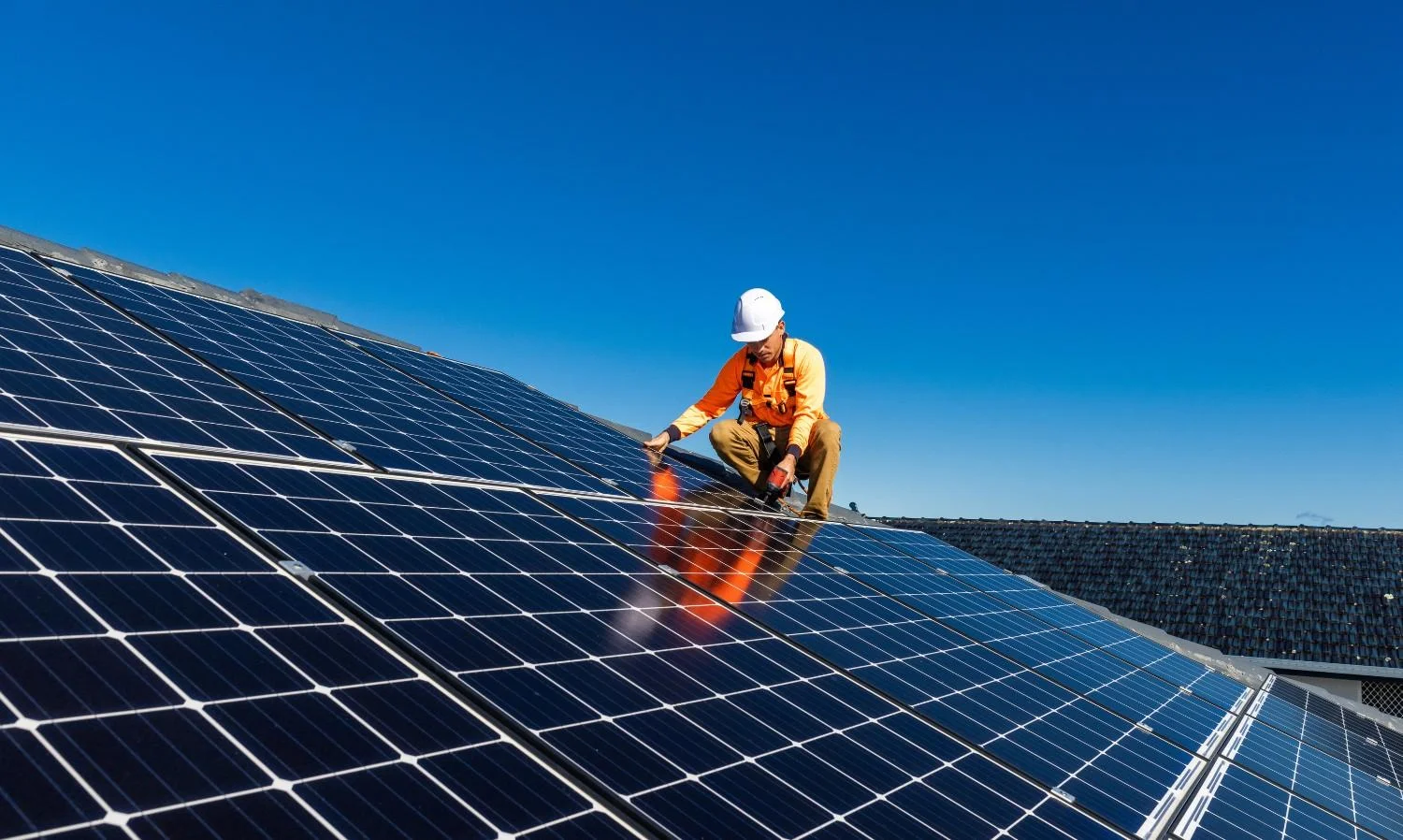
When people decide to install solar, the first confusion they face is choosing the right system. In Pakistan, there are mainly three types of solar systems: On-Grid, Off-Grid, and Hybrid.
Each system has its own benefits and is suitable for different needs. Choosing the wrong system can waste money, so understanding them is very important.
1. On-Grid Solar System
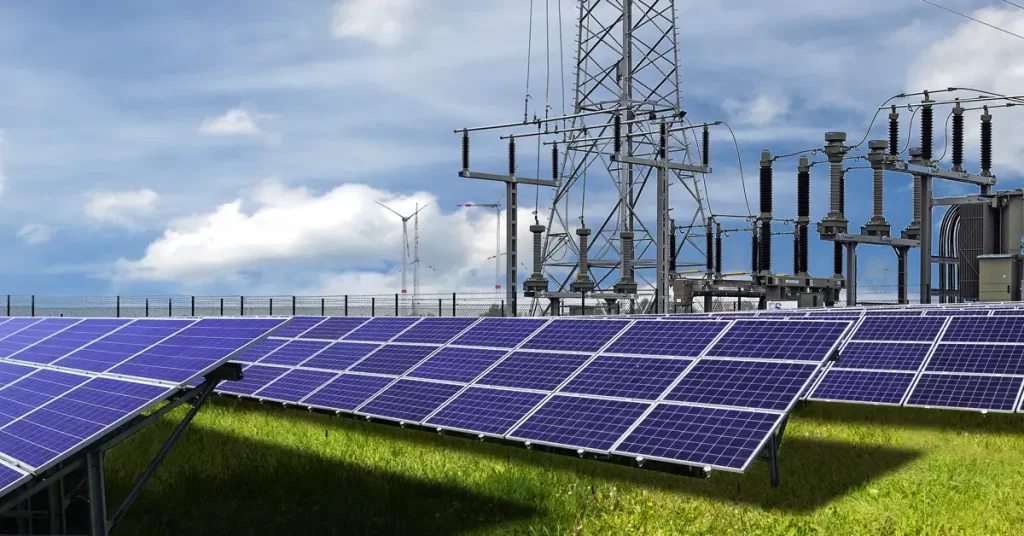
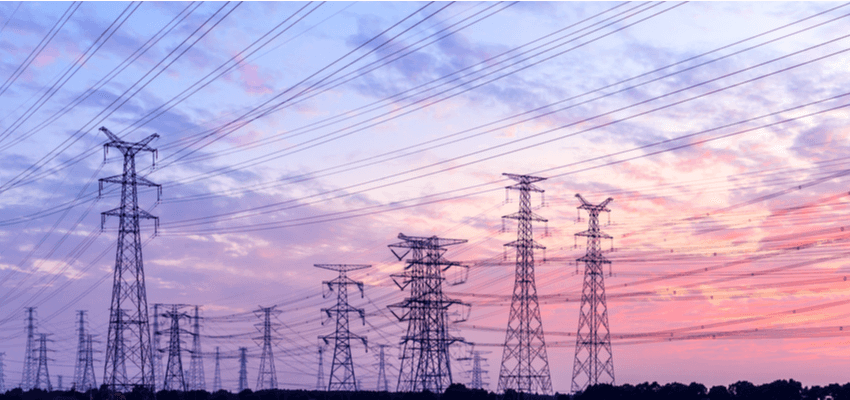
This system is connected to WAPDA.
How it works:
- Solar panels generate electricity
- Extra electricity goes to grid
- You can use grid when solar is not enough
Benefits:
- Lower cost
- Net metering option
- No battery needed
Drawback:
- No backup during load shedding
2. Off-Grid Solar System
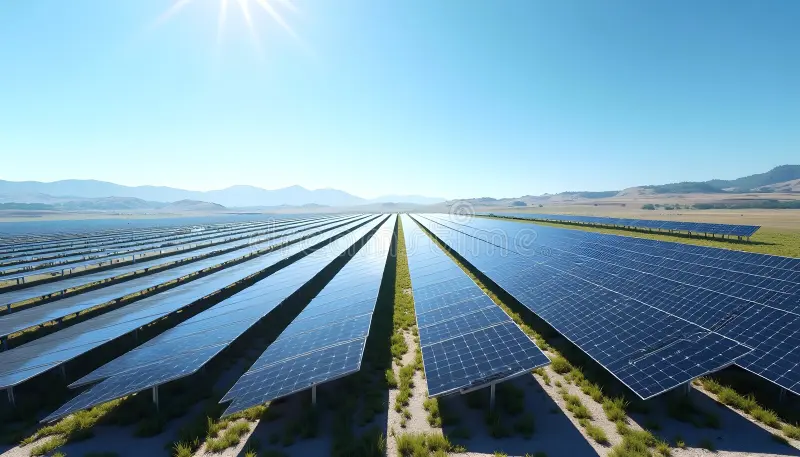
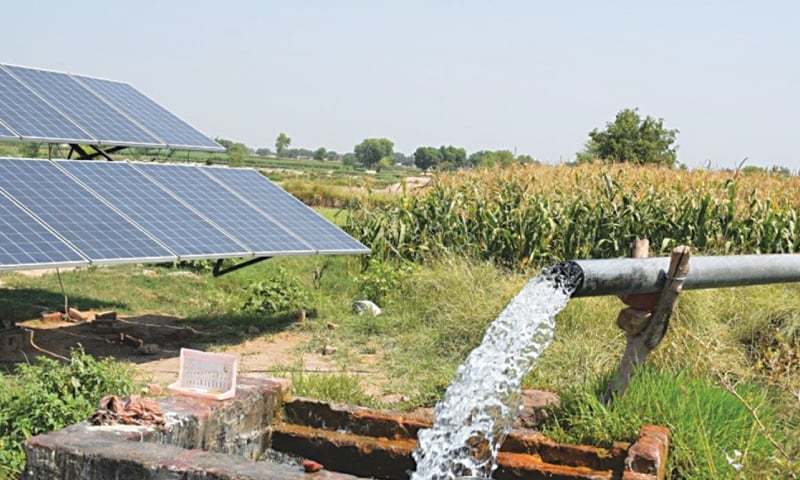
This system is completely independent.
How it works:
- Solar panels generate electricity
- Batteries store energy
- No connection with WAPDA
Benefits:
- Works during load shedding
- Full independence
Drawback:
- Expensive (batteries cost high)
3. Hybrid Solar System
This is a mix of both systems.
How it works:
- Connected to grid
- Also has batteries
- Uses solar + grid + battery
Benefits:
- Backup available
- Smart energy use
- Best for Pakistan
Drawback:
- Higher cost
Comparison Table
| Feature | On-Grid | Off-Grid | Hybrid |
|---|---|---|---|
| Cost | Low | High | Medium |
| Backup | No | Yes | Yes |
| Net Metering | Yes | No | Yes |
Which System is Best in Pakistan?
👉 If you want to save money → On-Grid
👉 If no electricity available → Off-Grid
👉 If you want full solution → Hybrid (Best option)
Cost Overview (Pakistan)
- 5kW On-Grid → Affordable
- 5kW Hybrid → Medium
- Off-Grid → Expensive
(Prices vary with market conditions)
Common Mistakes
❌ Choosing system without research
❌ Ignoring future needs
❌ Not checking installer quality
Tips Before Buying
- Always choose branded inverter
- Check warranty
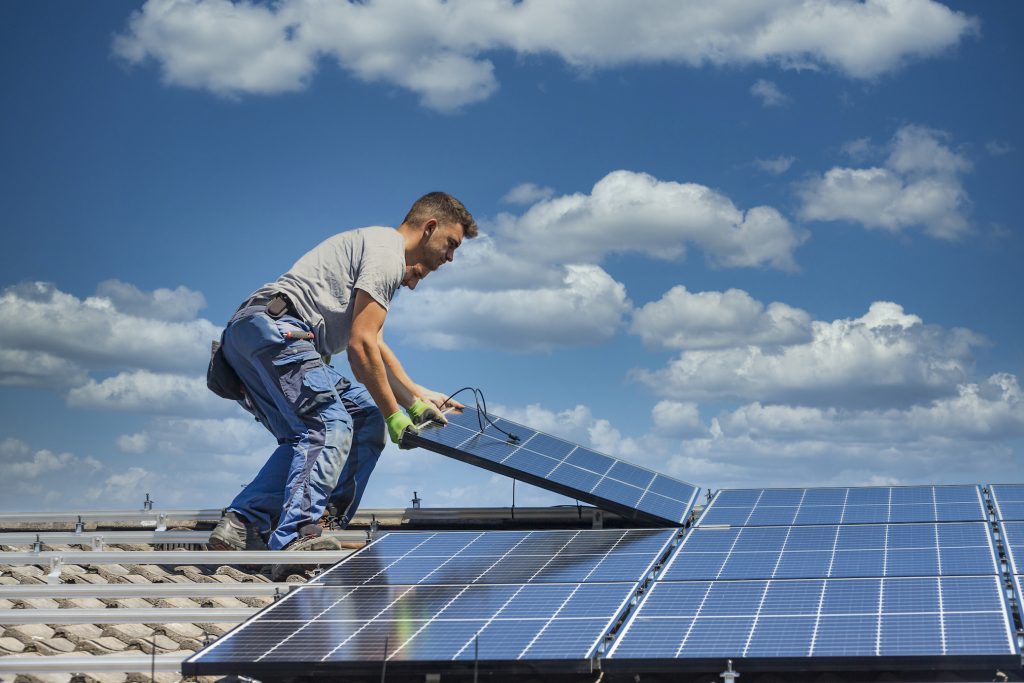
- Hire experienced installer
- Plan system size carefully
Before making a decision, always understand your needs, budget, and electricity usage.